

“6 7”: the kids’ word of the year and why marketers shouldn’t jump on it blindly
02.12.2025
What it means — and why marketers shouldn’t misuse it
Every couple of months, youth culture drops a new term that makes adults feel like they’re reading a secret cheat code. This year, one expression stood out immediately: “6 7”. Two numbers, no context, yet massively used by younger kids.
What does “6 7” actually mean?
Short answer: nothing.
Long answer: still nothing but in a way that tells you a lot about how kids communicate today.
There is no origin story, no hidden message, no cultural significance. It’s not linked to a streamer or a game, and it doesn’t point to an inside reference. Kids simply use “6 7” because it sounds funny, feels absurd, and strengthens group identity.
It’s a self-made micro-meme. 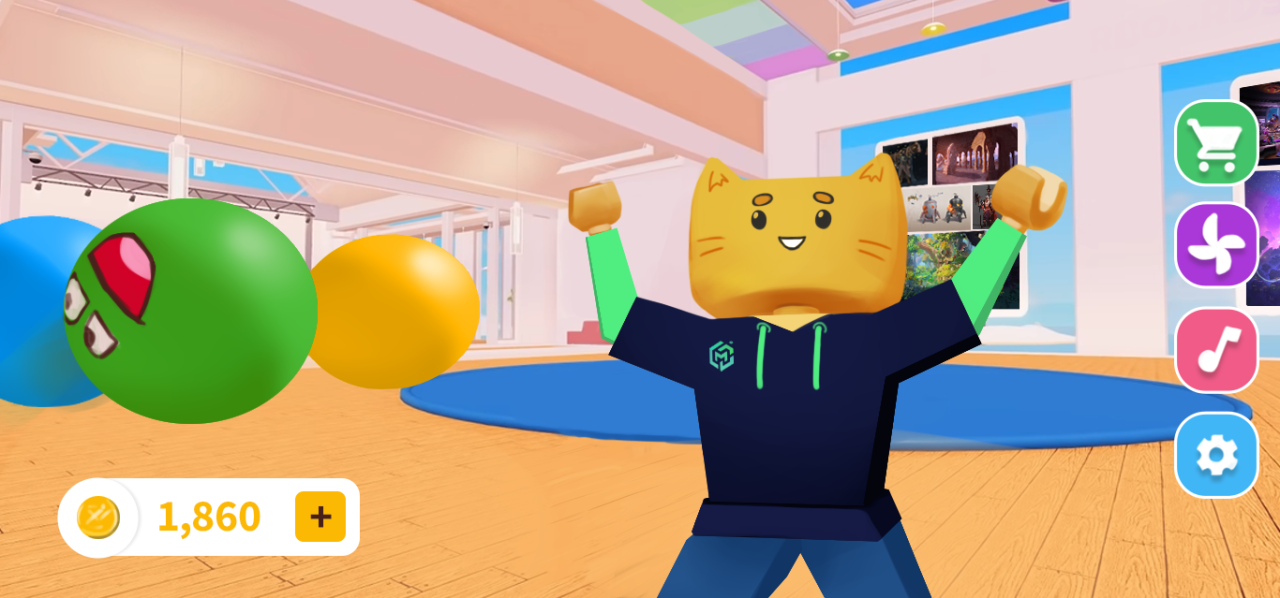
The link with gaming culture
Gamers — especially younger ones — constantly create micro-languages across TikTok, Discord, Fortnite, Roblox and more. Think of terms like:
- gg, ez, ratio, cap/no cap
- Meme-driven sounds and jokes like rizz, gyatt, skibidi
- Short signals that communicate vibe rather than meaning
Some have clear definitions. Others exist purely because they sound fun and connect the community.
“6 7” fits perfectly in that ecosystem.
In gaming, language often works like a cosmetic skin—chosen for style, not semantics.
Why marketers should be careful
Brands often want to lean into youth slang to appear culturally fluent.
But that attempt usually backfires — especially when the slang has no defined meaning.
1. It triggers instant cringe
Words that work inside a peer group lose their charm the moment a brand uses them.
With “6 7”, the confusion is even bigger because the term itself has no purpose outside the joke.
2. It can harm brand credibility
Copying youth language without understanding the context feels like spawning into a level-60 raid with level-1 gear.
It’s immediately noticeable and rarely respected.
3. Meanings can drift quickly
Because “6 7” has no fixed meaning, kids might reinterpret it differently over time.
A brand risks becoming part of a joke it never intended to make.
What brands should do instead
- Listen first. Understand how young audiences actually communicate.
- Use gaming culture as a layer, not a gimmick.
- Collaborate with creators who naturally speak that language.
- Build your own vocabulary, instead of borrowing slang for quick attention.
This is how authentic gaming-first campaigns are created.
Strong examples from the industry
These recent cases show how brands tap into gaming culture the right way:
Burger King x Fortnite (2022–2023)
Creators expanded the Whopper meme themselves. BK didn’t force slang; they let the community shape the story.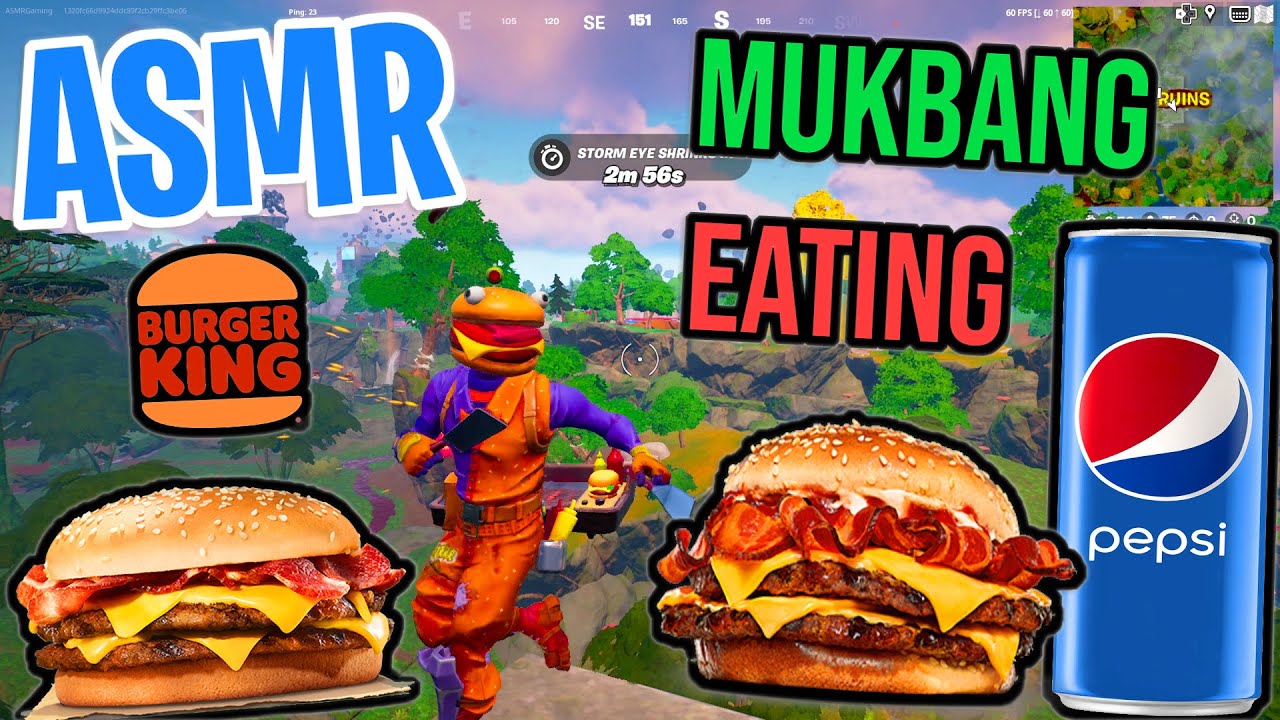
Adidas x Roblox “Adidas World” (2023–2024)
Adidas built a world where young users could express their own language and humor.
Roblox: https://www.roblox.com/communities/33382339/adidas#!/about
What marketers should take away
“6 7” isn’t a term brands should adopt. It’s a signal:
- Youth language changes extremely fast
- Meaning isn’t always the point — belonging is
- Misusing slang hurts credibility
- Authenticity beats mimicry every time
To connect with younger audiences, brands must participate in culture, not imitate it.
Want guidance on using gaming culture, community building and youth communication in your marketing?
We’re happy to help you craft the right approach.